Stories Behind the Canvas: The Fernwood Tree of Belonging

By Shriya Shaji

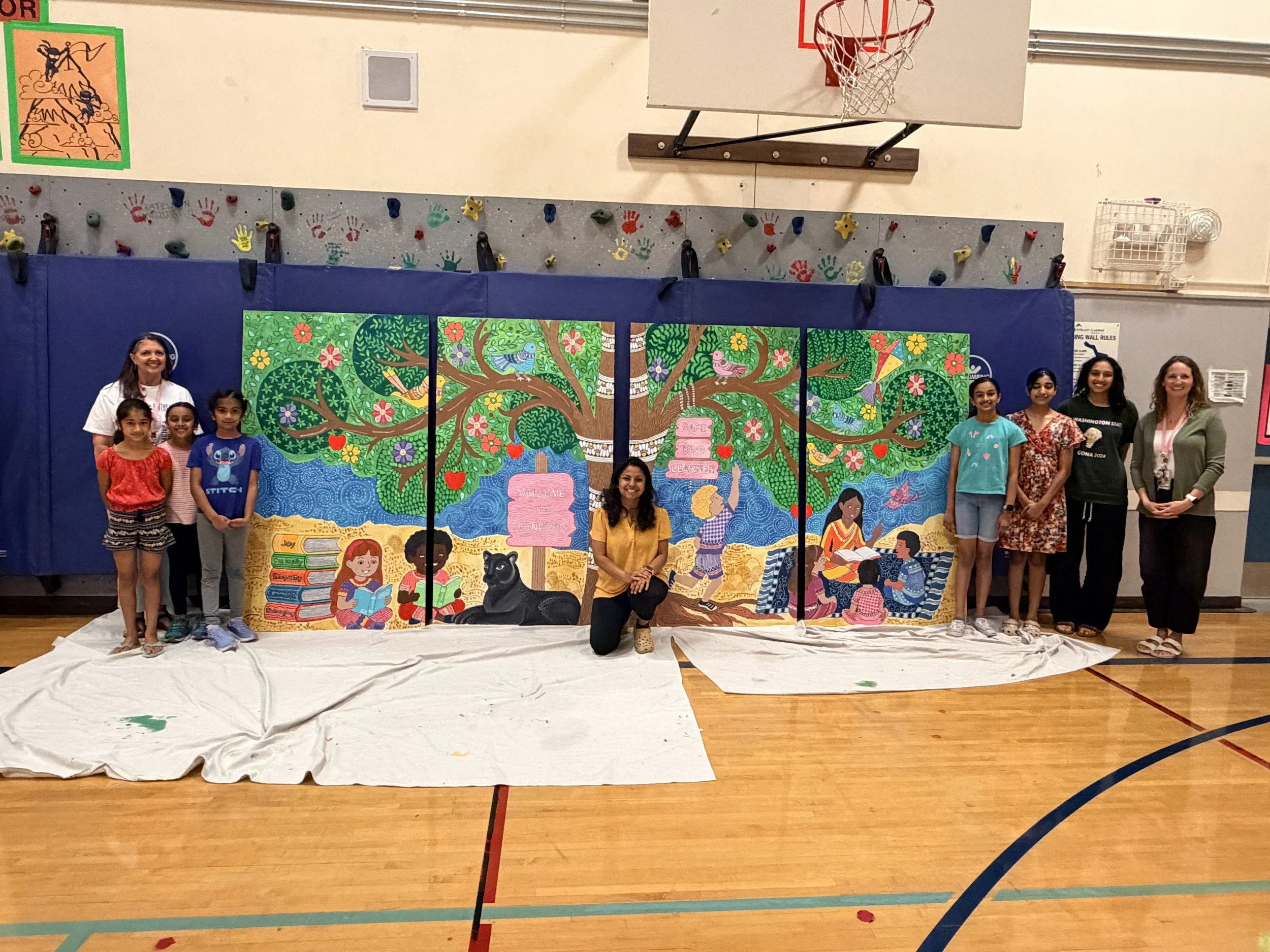
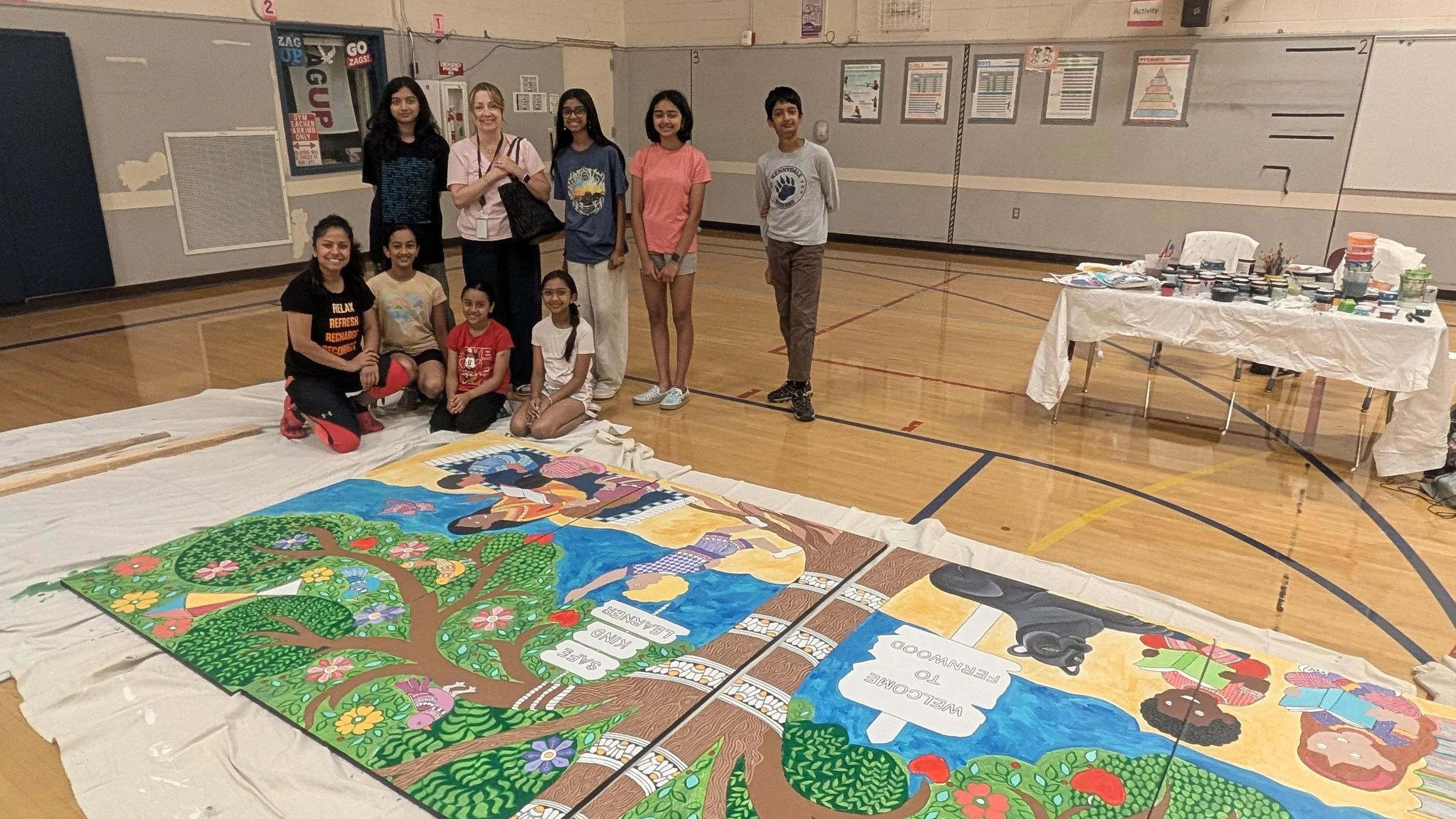
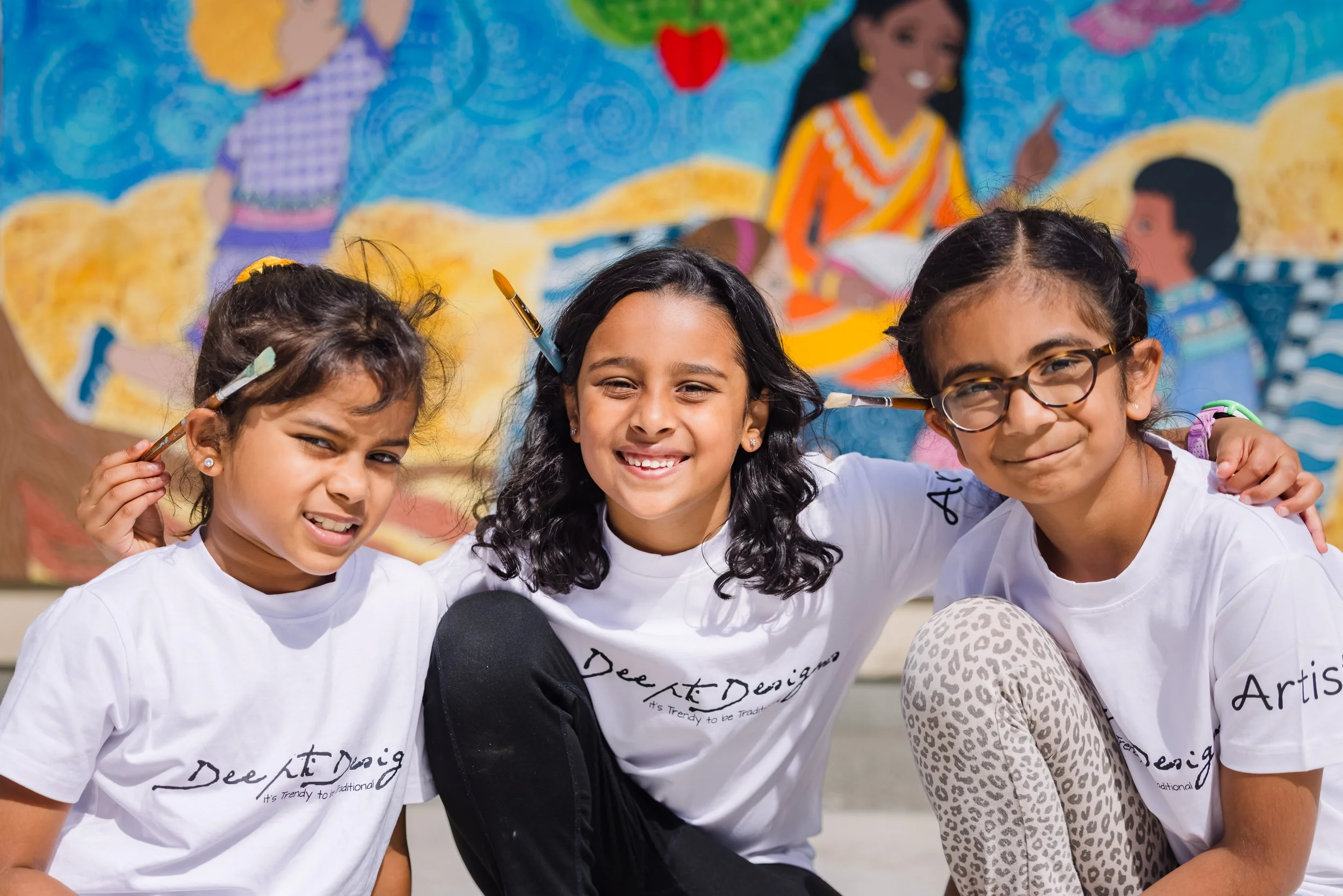
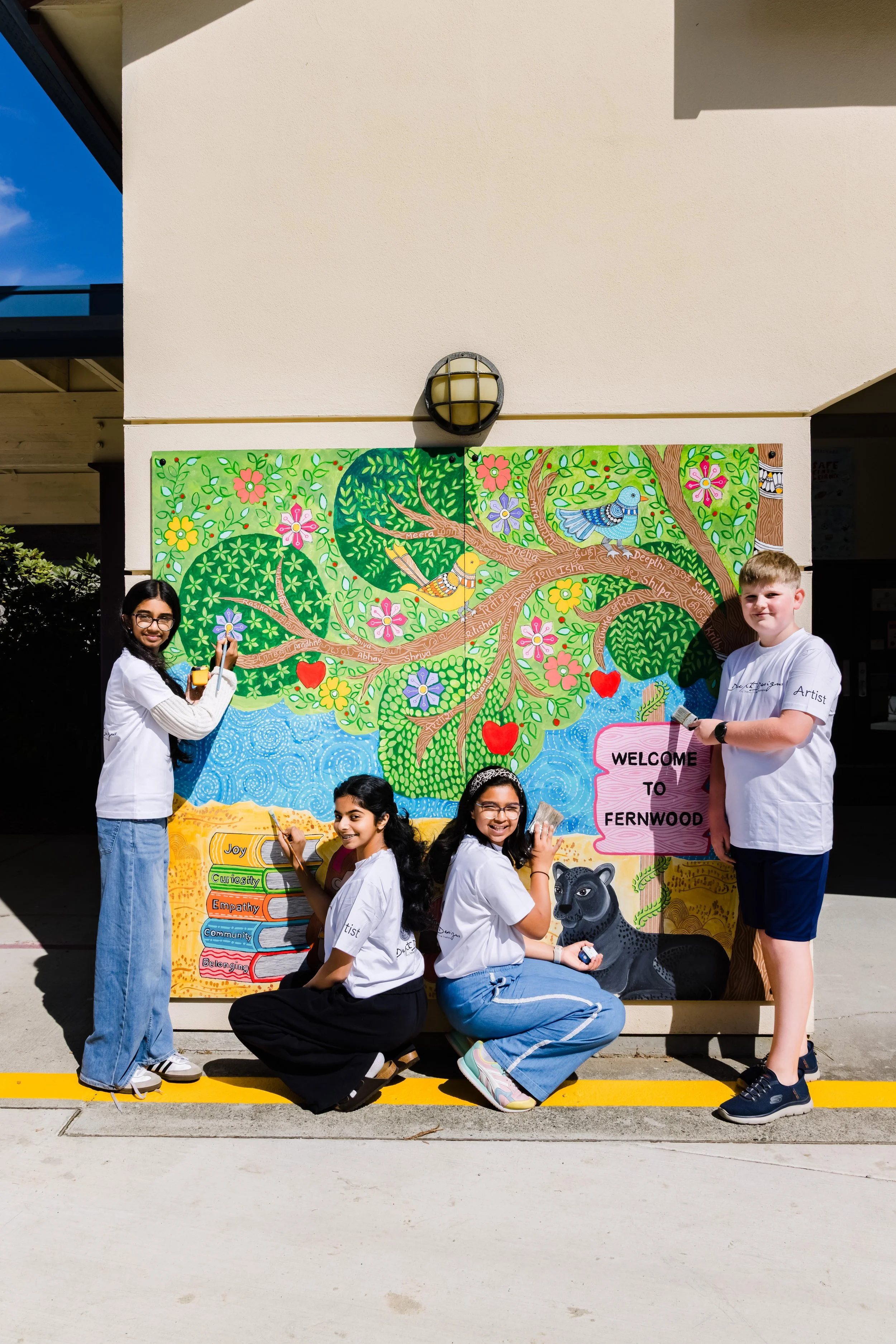
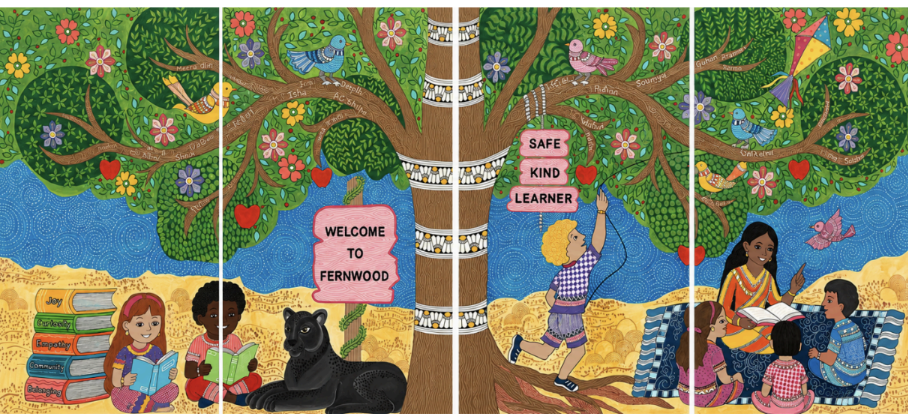
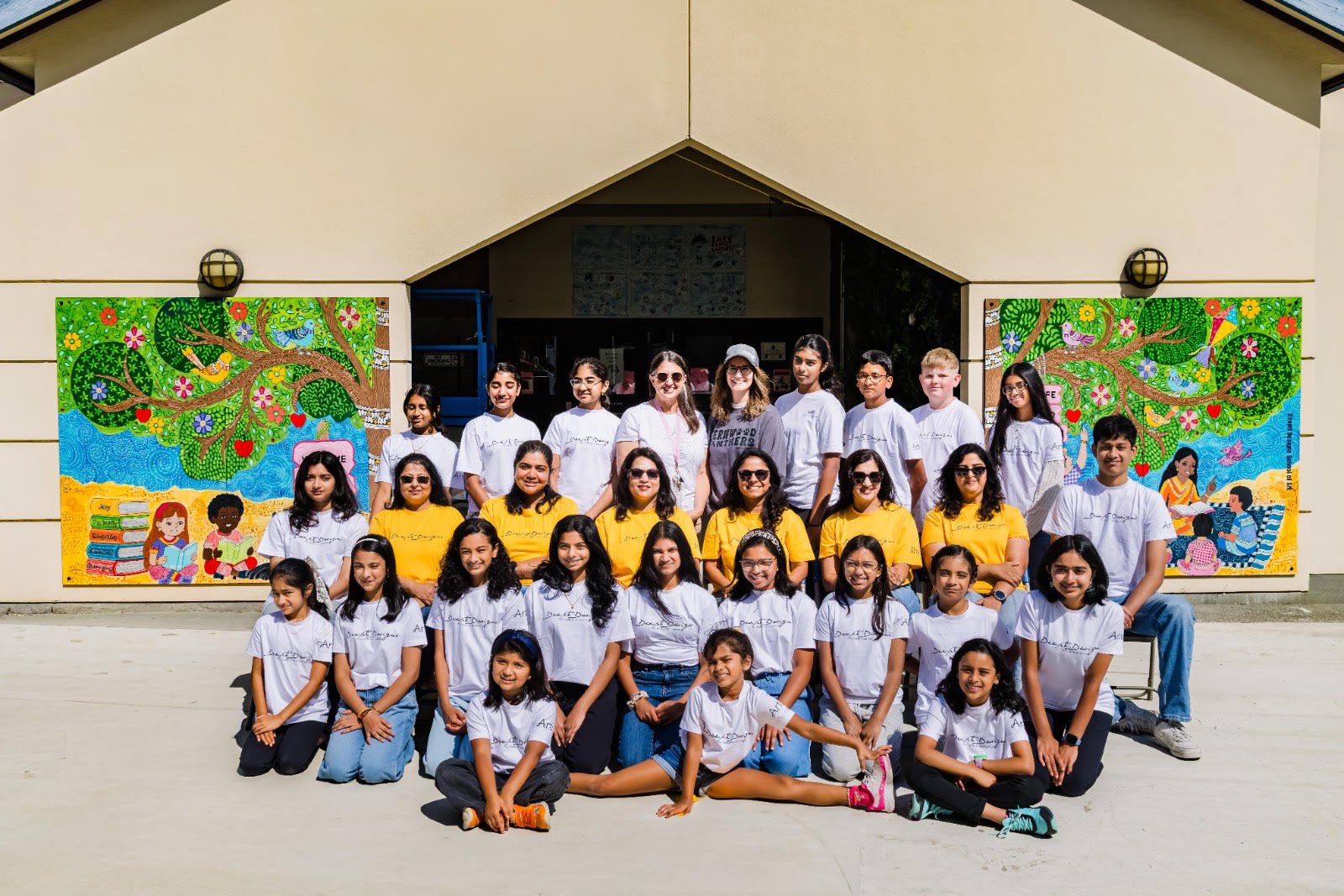
This month, we talked with a handful of the artists of The Fernwood Tree of Belonging, a stunning mural created by over 30 youth and adult artists in partnership with the Fernwood Elementary School, led by Ms. Deepti Agrawal. Continue reading to learn about the creation process, thoughts and central themes our artists, Ms. Deepti Agrawal, and Ms. Cassie Morton, Principal of Fernwood Elementary navigated in order to produce the mural.

A sincere congratulations to Deepti Designs and Fernwood Elementary School on the completion of The Fernwood Tree of Belonging!

Responses were lightly edited for clarity.

Q&A Section with Artists

To begin, looking at The Fernwood Tree of Belonging, what are some key feelings and ideas you hope that viewers take away when they see it for the first time?

“When viewers see the mural for the first time, I would like for them to take away the feeling and idea of inclusivity that is displayed throughout the mural. I would also love if viewers took away the idea of happiness in learning; all the children in the mural smile as they learn.”

- Sivathmika S., 8th Grade

“The main feeling I would point out is love. The mural clearly shows a happy setting with a loving teacher, happy kids and a beautiful vibrant background. I would want that to be the first thought of any viewer and all the kids that attend Fernwood; that they are loved and appreciated.”

- Dhanya H., 7th Grade


The mural includes several symbols, such as the children, birds, the Fernwood panther, and books. Which symbol is the most important to you, and why?

“My favorite symbol are the books. I think they are the most important because they represent knowledge and wisdom, and reading is also a hobby of mine.”

- Krithi S., 4th Grade


When you’re creating artwork for a school community, what are some ideas you have to think of that allow the final product to be inclusive of different cultures and experiences?

“We had to ensure there was diversity in the painting. Originally, the hair color of one of the students was blonde, and we wondered if we could make the design more inclusive by changing it to red hair. We wanted the painting to represent a wider range of people so that more students could see themselves reflected in the artwork.

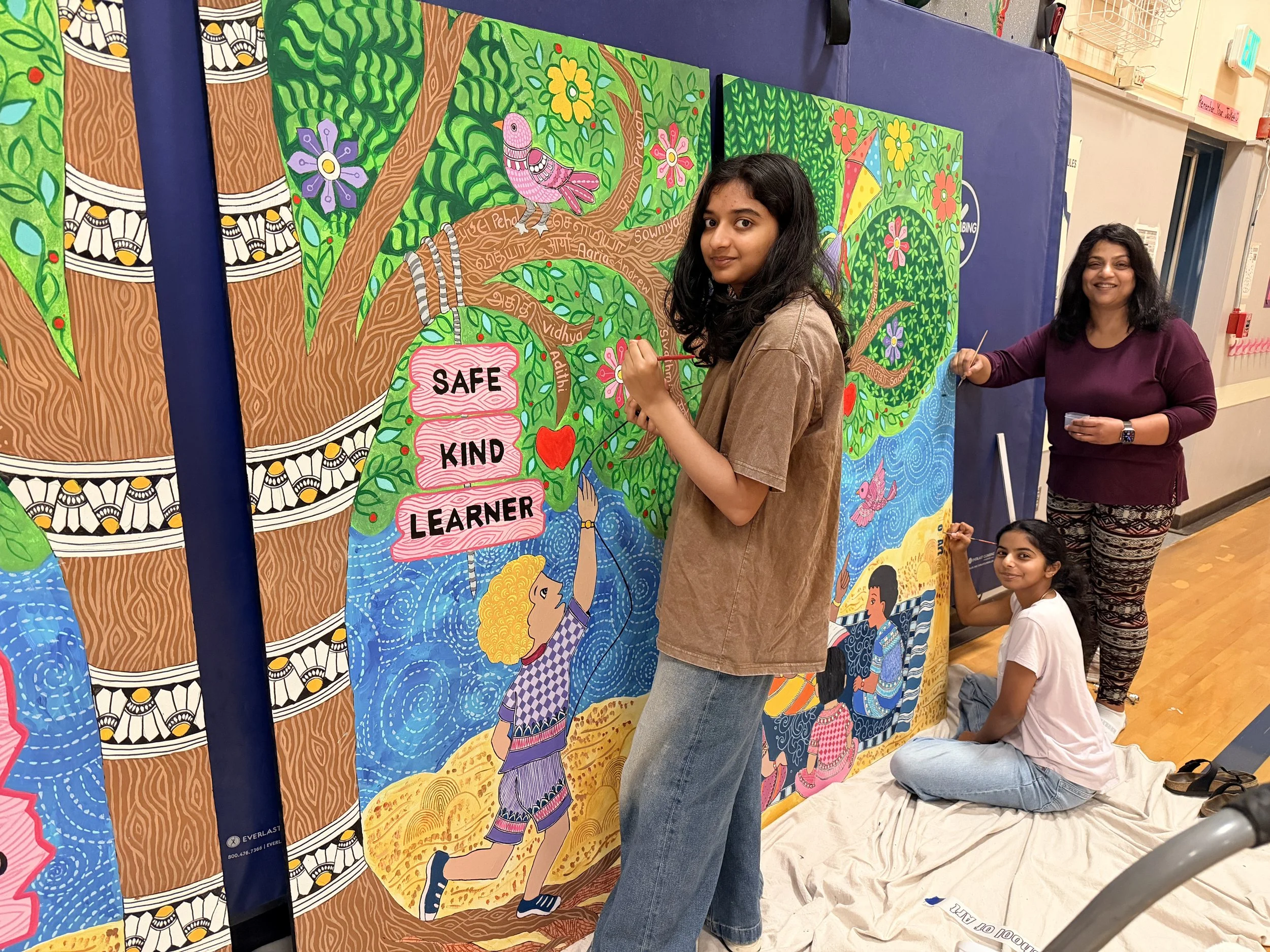
At the same time, we wanted to preserve the special impact of Madhubani art, a traditional art style from India and the artists who contributed to the mural. To do so, we wrote our names on the tree not only in English, but also in our native languages. This allowed us to incorporate our individual cultures into the mural while still keeping the Fernwood students and Madhubani artwork at the center.”

- Aradhna P., 12th Grade, Lead Artist


This mural includes a very special detail, being that students’ names are signed in both English and their native languages. Why do you think it is important to include this detail on the mural?

“Everyone who contributed to the paintings' name is on it because the artists want to be seen and everyone wants to know the artists who contributed. Without the artist names, it would be like a book without an author. You would want to know who did it. The artists want to show their own native language through their signature. It’s important that the signatures were in their native languages and English because it shows that Fernwood embraces all cultures and wants students to embrace their own culture too. Every culture needs to be seen, and they welcome people of all cultures.”

- Prayan M., 5th Grade


This mural was created jointly by over 30 youth and adult artists, including former and current Fernwood students. What was the process for creating such a large project with so many people?

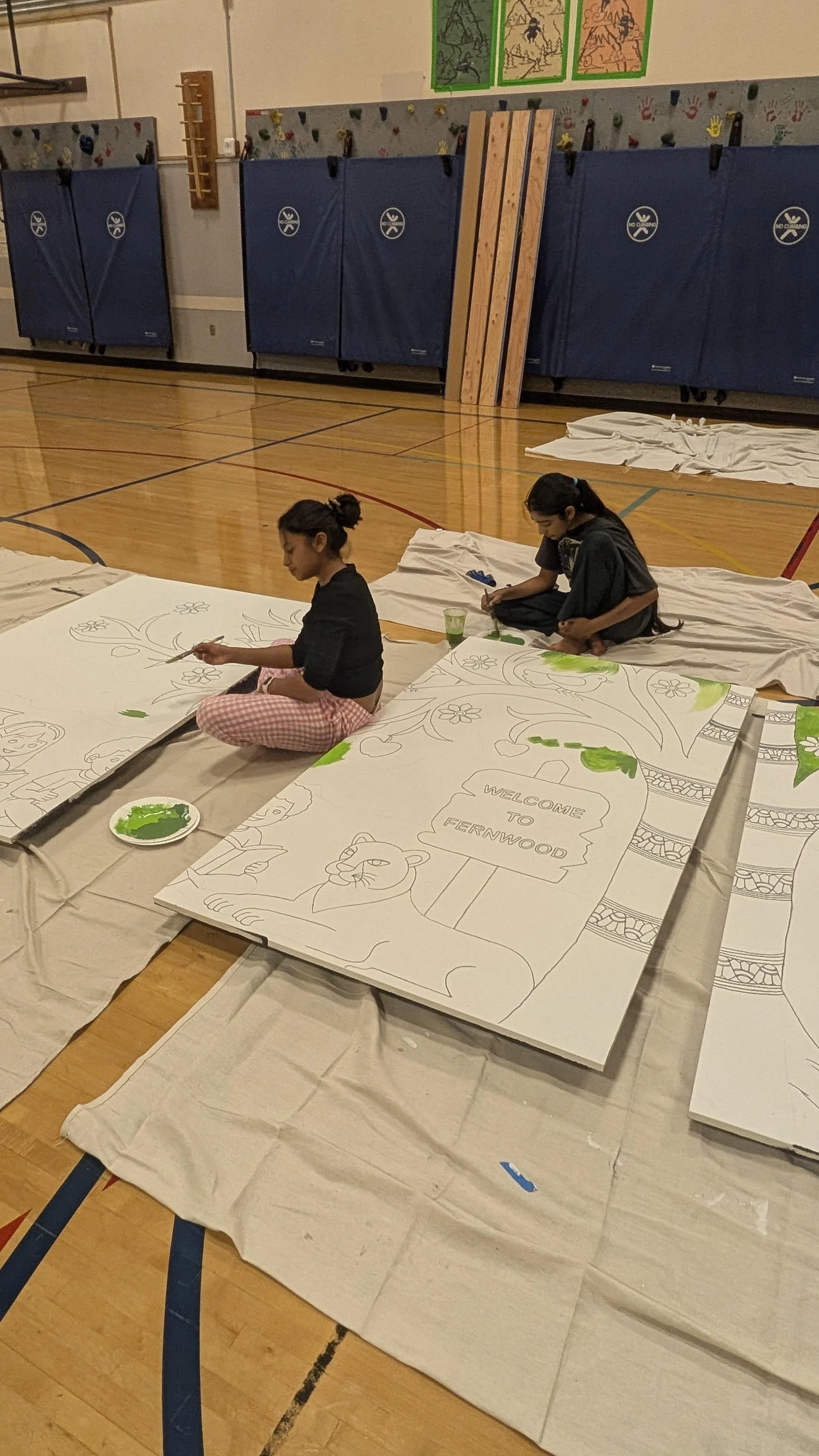
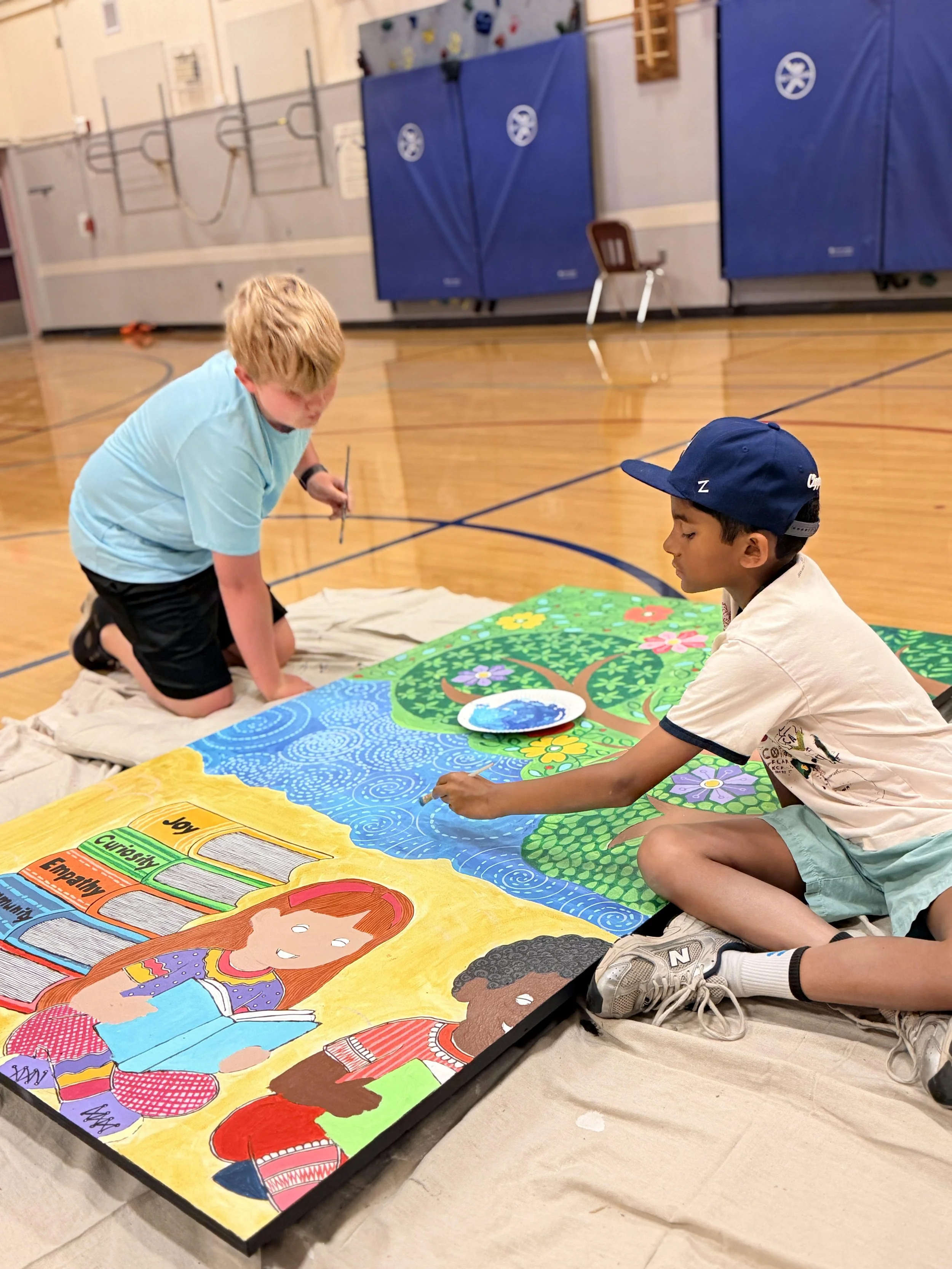
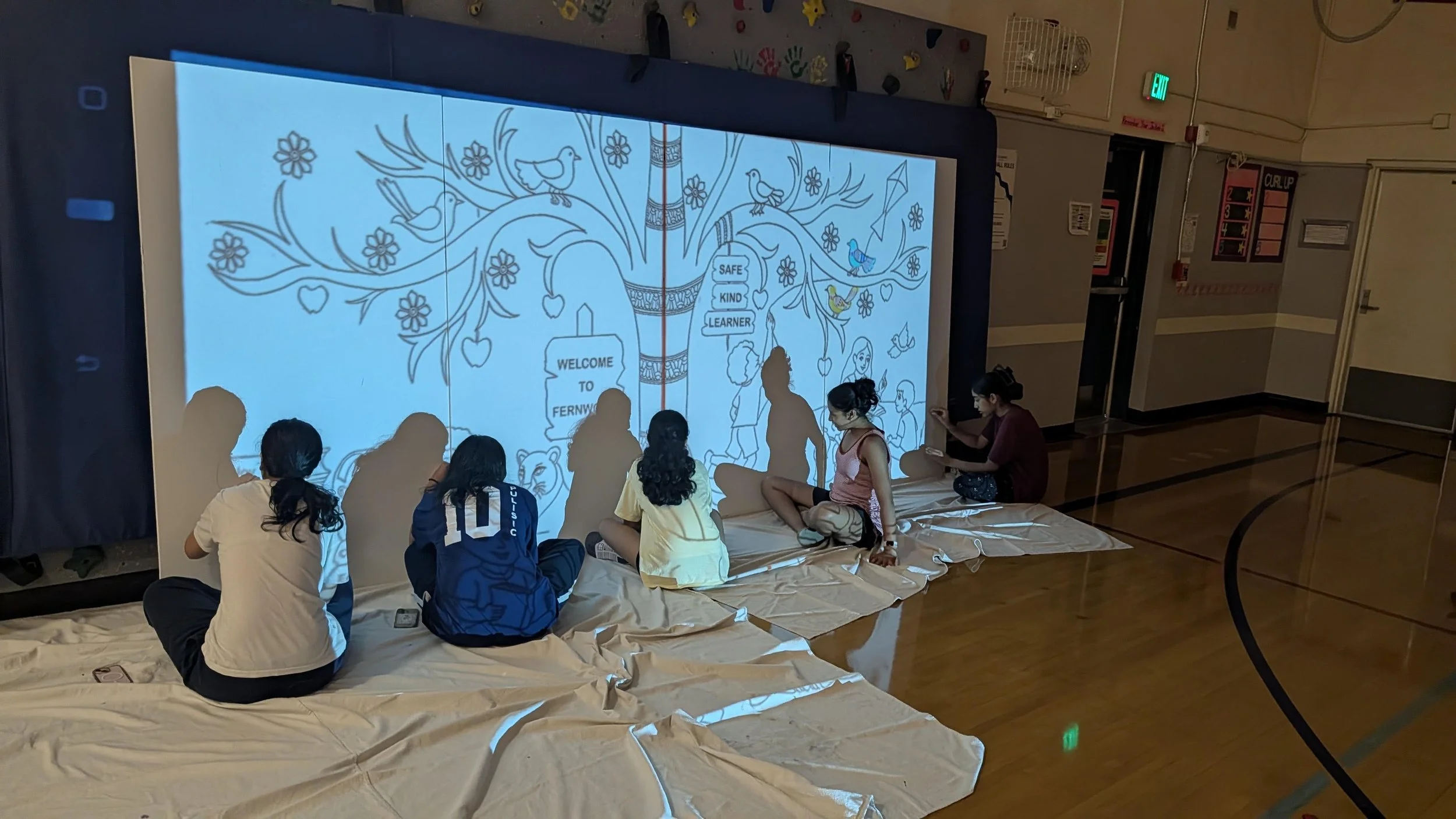
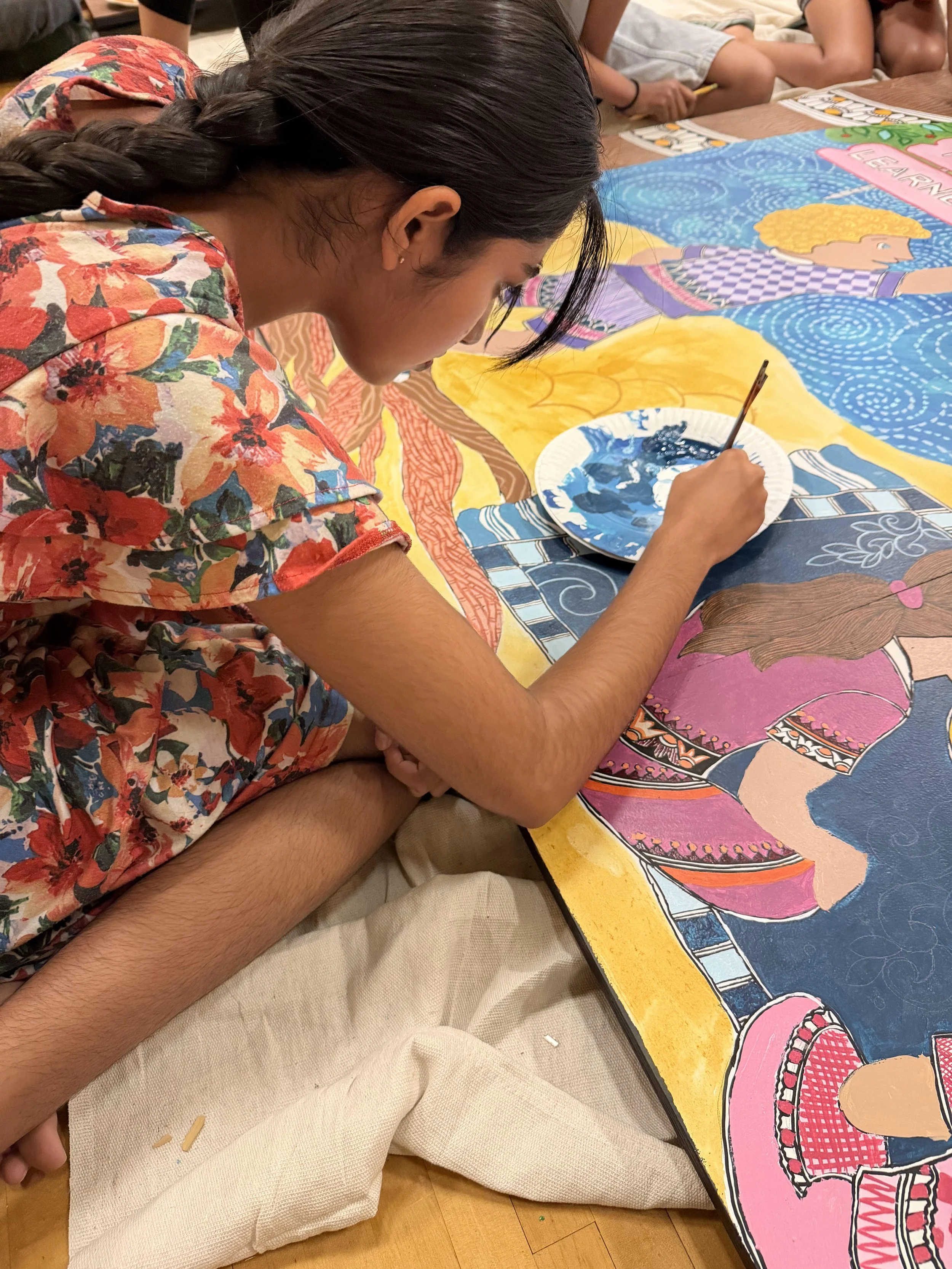
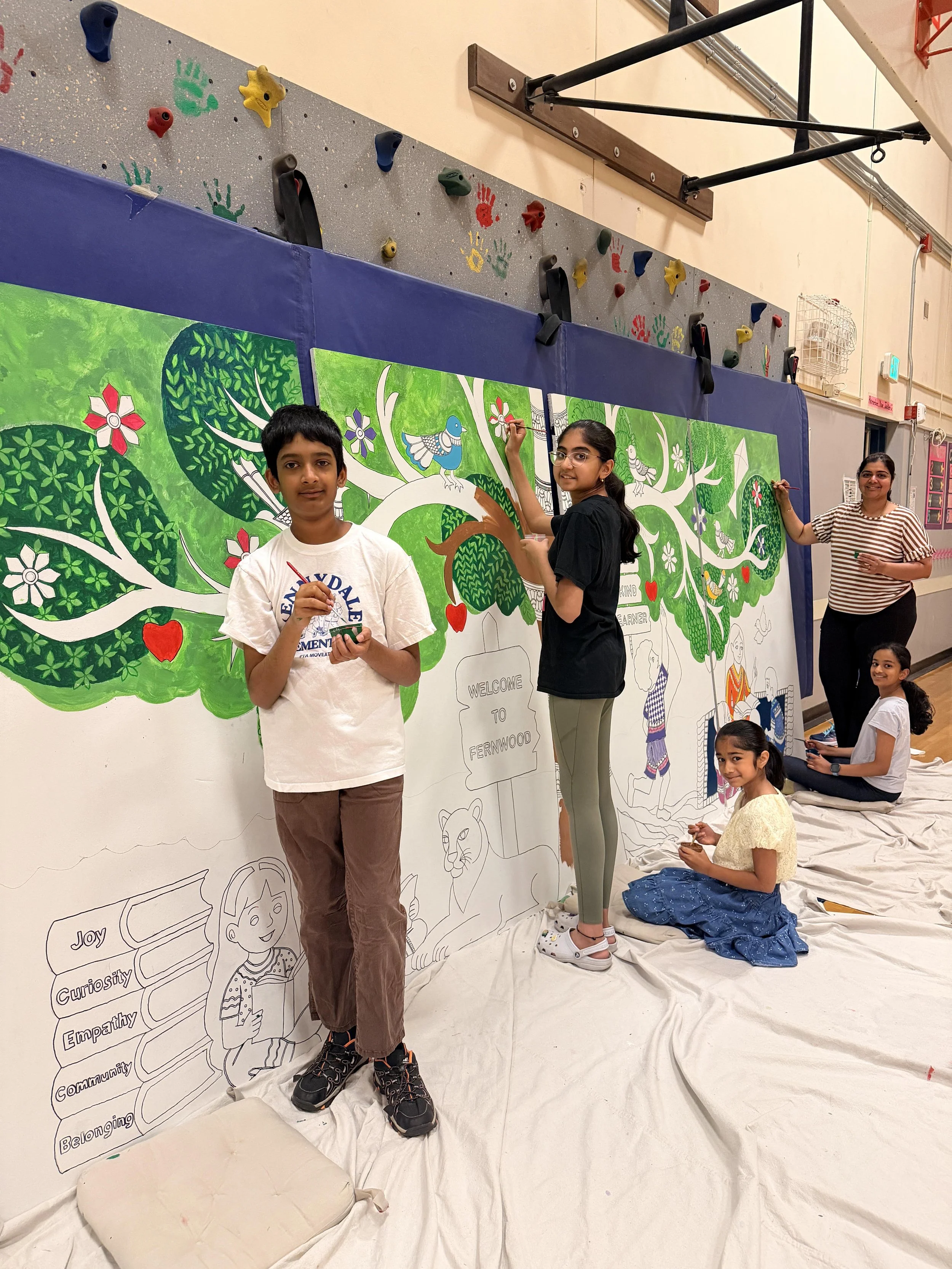
“Deepti aunty [Ms. Deepti Agrawal] had set up all the wooden boards that needed to be painted. First, we painted the fronts white and backs. Both sides needed multiple coats of paint and they each took a day to complete.

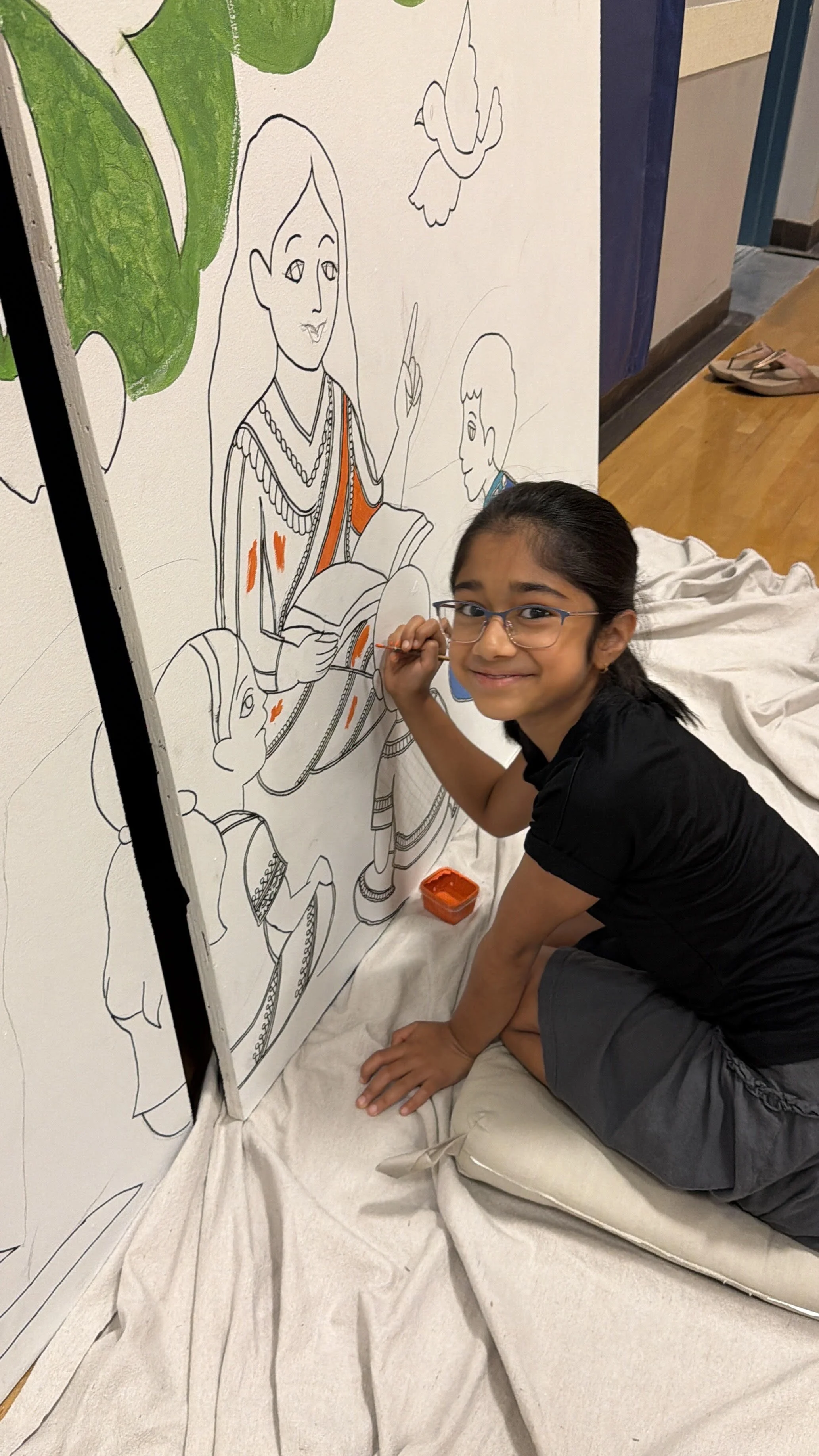
Then, we set up a projector in front of the wooden boards to trace the sketch of the mural design. After tracing the design we outlined everything with black pen and begun painting.

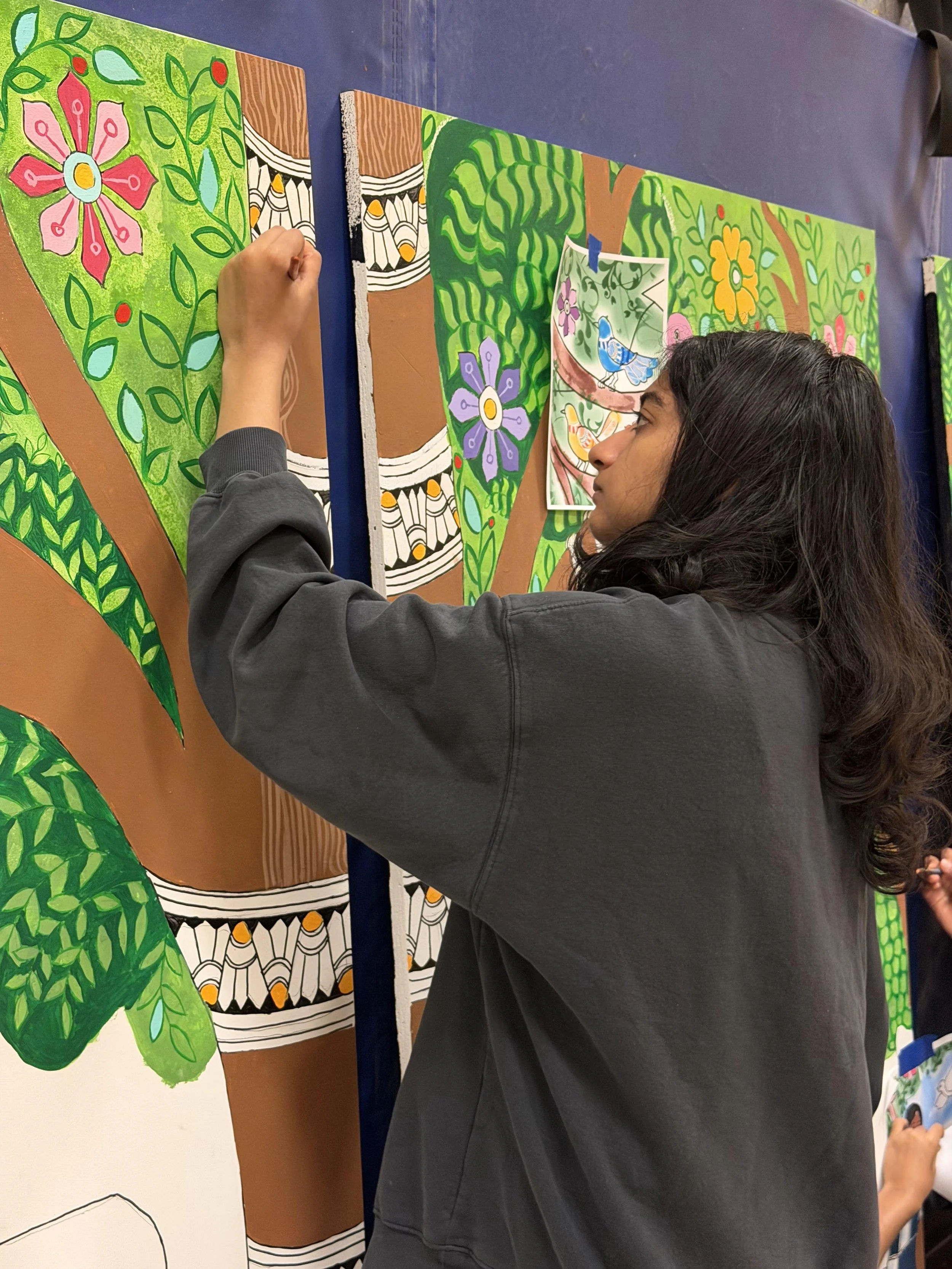
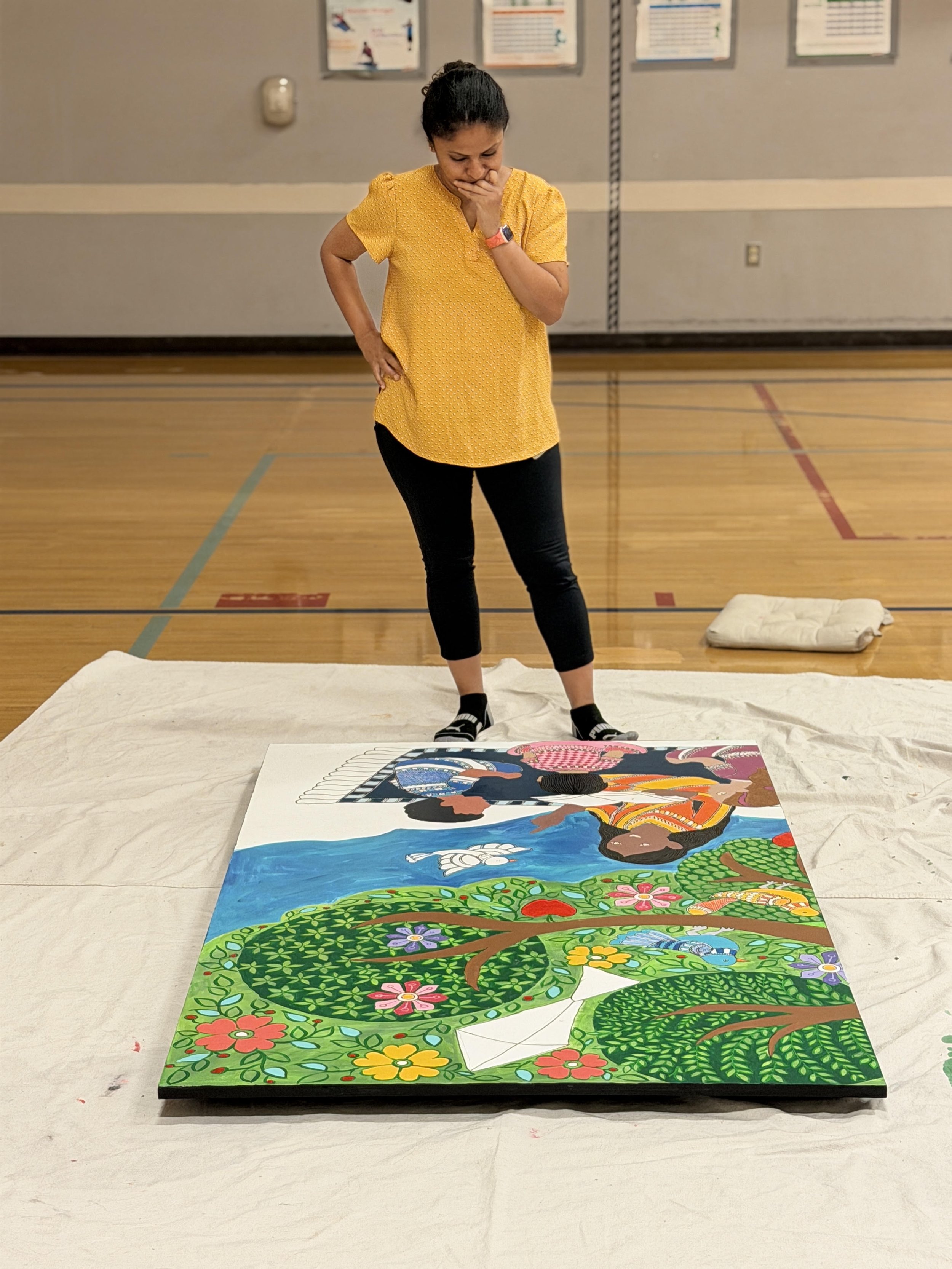
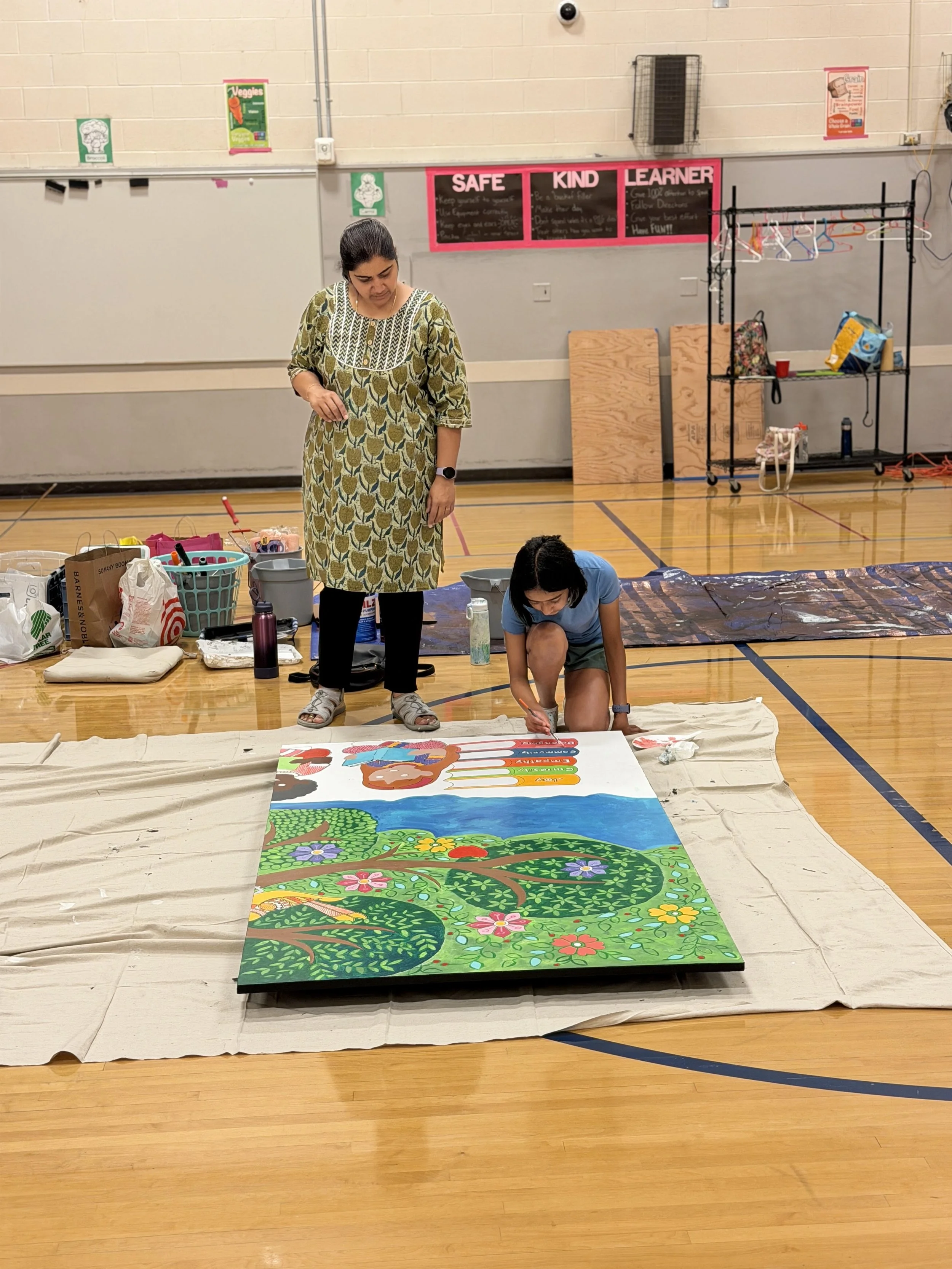
As I guided the project most days, I saw the mural develop through each stage and helped students with each section of the mural. I especially enjoyed working on the fine details because they made the artwork stand out. Even from a distance, I could see how much of a difference those small details made. Being involved throughout the process also gave me more appreciation for how much time, teamwork, and effort goes into creating something on such a large scale.”

- Aradhna P., 12th Grade, Lead Artist


The mural combines Madhubani art, contemporary detailing as well as symbols specific to Fernwood, such as Fernwood’s panther and guiding principles. When designing such a composition, how do you balance each of these elements?

“For me the key is not to treat Madhubani as a simple decorative style but more like a visual language, one that can tell stories while staying rooted in its traditional identity. I begin with the distinctive elements of Madhubani, which are strong outlines, katchni, bharni, intricate patterns and symbolic motifs.

Once that part is established, we then contemporary-ize and add aspects that the specific community can identify with. In the Fernwood mural, the artwork’s visual vocabulary includes elements such as the school’s guiding principles, the panther (Fernwood’s mascot), the children and the teacher. The goal is to make every element so that the students can embrace and interpret them.

That has simply become the default language through which I think and express my ideas. I first imagine the scene in the Madhubani style, draw it, and then adapt certain details, such as the clothing, expressions, or surroundings, to make the story more relatable and contemporary. That is how a composition is created. I use Madhubani painting as a tool, or a visual means, that helps me bring the narrative in my mind onto the canvas.”

- Ms. Deepti Agrawal, Art Director


How can community art benefit a school’s culture?

“Community art reshapes a school’s culture by showing student identity, creating pride, and reducing vandalism. Artwork also uplifts students and creates a brighter space by replacing blank walls.”

- Ms. Vidhya Durai, Project Lead


For the students who become inspired by the mural, and decide they want to be part of creating such projects, where would you tell them to start?

“I would advise them to be on the lookout for opportunities and show up to all the events related to those opportunities. I would also suggest that they build a strong rapport with their teachers and mentors and find skills they can contribute meaningfully in.”

- Adithi S., 8th Grade


What inspired the Fernwood mural? What kinds of conversations took place that led to the creation of the art piece?

“The project began with our community, we had a parent educator here who was friends with Deepti [Ms. Deepti Agrawal]. They reached out with the idea that it would be lovely to have a mural here. Deepti and I started discussing the details of the mural, how it could be just representative of our students, our mission, and the community we are so proud of here at Fernwood.

We discussed our goals and our belief being that we want all of our students to have that feeling of belonging and recognize that Fernwood is a place where they belong. It is a place where everyone can grow into who they really are: their unique selves with their own strengths, interests, and stories. It is our backgrounds and our diversity that makes us so strong and it is something that we are very proud of.”

- Ms. Cassie Morton, Principal of Fernwood Elementary School


Your leadership brought together over 30 artists and families across a shared vision of creating artwork to represent Fernwood Elementary’s community. What have you noticed about how collaborative projects teach different lessons from individual classroom projects?

“I feel collaborative art teaches something which is beyond what an artist will learn when they are working on one piece on their own. It teaches the beauty of creating something bigger than what you yourself, individually can. When an artist works independently, the artwork reflects their choices and their own voice. When over 30 artists come together, they tend to feed off each other's creative energies. Artists learn how those differences of opinion and the differences in the creative energies, can come together and create yet a harmonious piece of artwork.

A collaborative mural teaches community, patience, responsibility, and humility. Not every element that you choose to illustrate in the mural will be based on what you would want to see. When working on it together, you then try and learn as to how varied ideas can contribute to something meaningful, something which is far beyond your own personal vision. At times we are contemplating between options for the project and having a board of your co-artists helps in creating a very positive and creative environment that helps in sailing the project forward.

Historically, Madhubani painting was a community art form, meaning a lot of people got together to create a single piece of art which was larger than life. Now doing the same thing here in the state of Washington, so far away from the origin of Madhubani painting, reinstates the fact that no matter what, art tends to speak a language which can be comprehended by one and all, regardless of their background.”

- Ms. Deepti Agrawal, Art Director


Why can it be important for students to see their identity visualized and represented through artwork?

“It is really important for kids to see their culture reflected, to feel valuable and to be able to explore their own identity, for example who they want to be when they grow up. When they see that reflected in artwork, they see it in many different forms, varieties and situations, they begin to see themselves in different roles which opens their thinking to the possibilities that are out there for them, and breaks down common misconceptions and stereotypes.

We focus on cultural spotlights where students receive opportunities to share about their heritage or traditions, through recorded announcements that are broadcasted to the entire school. Having kids be able to share that helps other people get curious and think about it. They are able to learn more about each other and have greater appreciation and understanding for the individuals around them.”

- Ms. Cassie Morton, Principal of Fernwood Elementary


The title of the mural is The Fernwood Tree of Belonging, can you tell us more about what belonging means at a school?

“We recognize that when somebody feels a sense of belonging, then they feel more comfortable in their learning journey. They take risks and they're able to speak up for their needs, what they need as a learner and as an individual. At Fernwood that's what we really foster with our kids: to be proud of who they are and to be able to advocate for themselves and others, in order to be successful learners.”

- Ms. Cassie Morton, Principal of Fernwood Elementary School

Previous
Previous

Featured Paintings

Next
Next

Month 13: The Artist’s Journey